
close
Choose Your Site
Global
Social Media
Views: 177 Author: Site Editor Publish Time: 2026-05-13 Origin: Site


The global energy landscape is undergoing a fundamental transformation as nations strive to meet ambitious decarbonization targets. Central to this shift is the rising prominence of wood pellets as a viable, carbon-neutral alternative to traditional fossil fuels. This surge in demand has created a significant structural gap in the market, forcing energy producers to seek reliable infrastructure for rapid expansion. Consequently, the decision to partner with a China Top Wood Pellet Production Line Supplier has moved from a tactical cost-saving measure to a core strategic mandate. Leading manufacturers like BISON MACHINE (SHANDONG BISON MACHINE CO., LTD.) now offer the technical maturity and industrial scale necessary to support global renewable energy initiatives. By aligning with these advanced manufacturing partners, international stakeholders can navigate the complexities of the green energy transition while securing a significant competitive advantage.
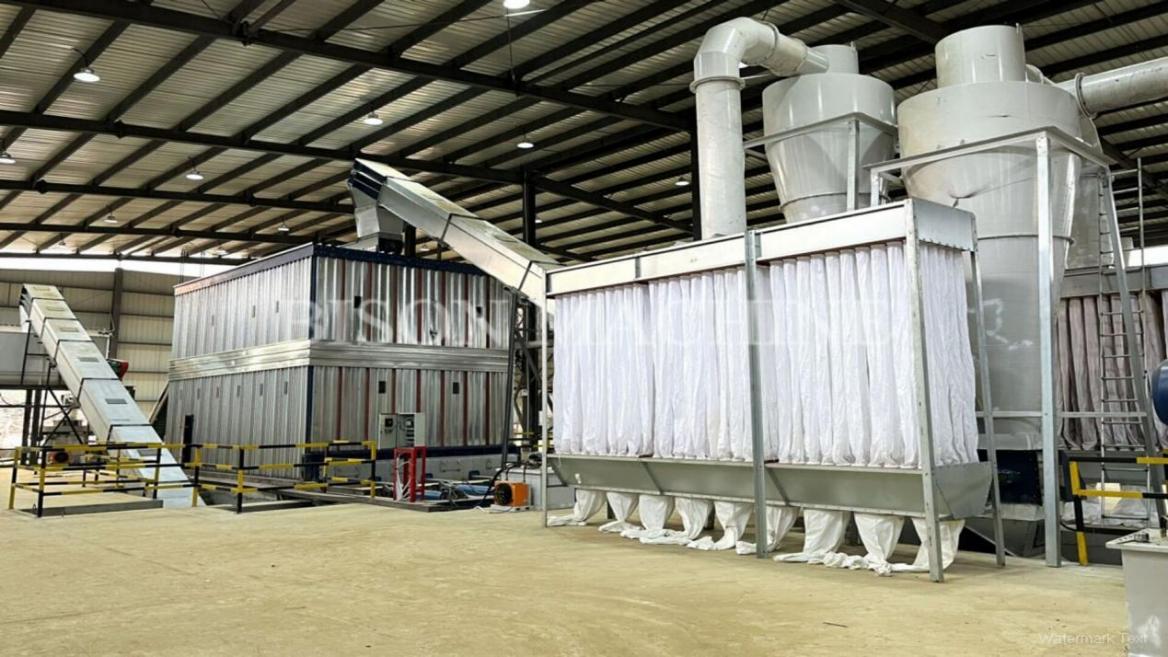
The transition toward a sustainable economy has triggered an unprecedented increase in the consumption of biomass industrial fuel. Major utilities across Europe and Asia are retrofitting coal-fired plants to run on high-density wood pellets to reduce greenhouse gas emissions. This widespread shift has outpaced existing production capacities, leading to a persistent shortage of high-quality wood fuel. To capitalize on this market imbalance, energy investors must deploy large-scale production facilities with maximum speed and capital efficiency. Therefore, the selection of a robust manufacturing partner becomes the primary determinant of long-term project success.
Strategic sourcing from leading Chinese suppliers offers a unique path to rapid scalability. These manufacturers have benefited from decades of industrial refinement, allowing them to produce sophisticated equipment that meets international performance benchmarks. Choosing a partner like BISON MACHINE enables firms to bypass the high capital entry barriers often associated with Western-sourced machinery. Furthermore, the ability to deploy large-capacity lines in shorter timeframes allows operators to capture market share during peak demand periods. This strategic agility is essential for maintaining liquidity and achieving a faster return on investment in the competitive renewable energy sector.
The perception of Chinese industrial machinery has evolved significantly over the past decade, moving from simple replication to genuine engineering innovation. Today, top-tier suppliers achieve a high level of "technical parity" with traditional European manufacturers. This means that the performance metrics of modern systems, such as pellet density, durability, and energy consumption, now meet or exceed global standards. The XGJ Series Pellet Mill serves as a prime example of this engineering evolution. Its vertical ring die design provides the mechanical stability required for continuous industrial operation, ensuring that output quality remains consistent across multiple shifts.
Industrial rigor is particularly evident in the way these machines handle diverse feedstocks. Global projects often involve varying materials, ranging fromsoft Sawdust to dense hardwood logs. A versatile supplier must engineer systems that maintain peak performance regardless of the input material. BISON MACHINE focuses on material adaptability through specialized heat treatment and precision-ground components. By achieving this level of technical sophistication, the manufacturer ensures that energy investors can standardize their operations across different geographical regions. This reliability provides the foundation for stable energy assets that contribute to national power grids with minimal technical risk.
Engineering Agility: Accelerating ROI with the 6-8 TPH Industrial Framework
For many medium-to-large-scale energy projects, the 6-8 TPH Industrial Biomass Pellet Line represents the ideal balance between capital expenditure and production throughput. This specific framework allows for a modular approach to scaling, where operators can add parallel lines as their market demand grows. Engineering agility in this context involves optimizing the interaction between the primary Wood Chipper and the final pelletizing units. By streamlining this workflow, BISON MACHINE reduces the overall complexity of the production environment, which in turn lowers the operational risks for the plant owner.
A faster return on investment is the direct result of this streamlined industrial framework. Since the manufacturing and logistics processes of a leading Chinese supplier are highly optimized, the time from contract signing to full-scale production is significantly reduced. This "speed-to-market" advantage allows energy providers to begin generating revenue months earlier than traditional procurement cycles might allow. Moreover, the lower initial cost of the equipment reduces the total debt service for the project, enhancing the overall financial health of the energy venture. In the context of the 2026 energy market, this financial efficiency is a critical driver for sustainable growth and long-term viability.
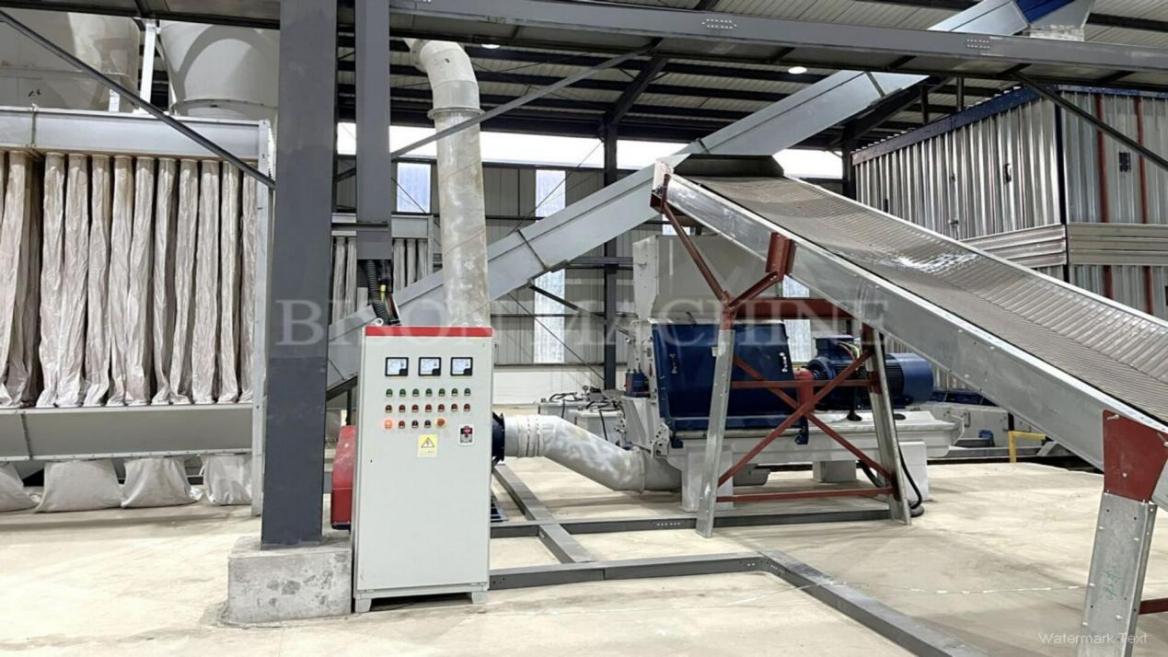
The true value of a machinery supplier often reveals itself after the equipment enters full-scale operation. For cross-border energy projects, the risk of technical isolation—where a facility lacks local support or spare parts—is a major concern for investors. Therefore, leading suppliers now prioritize "Lifecycle Stewardship" as a core part of their service scope. This includes professional technical delivery, remote diagnostics, and a robust global supply chain for wear parts. By providing these integrated services, BISON MACHINE ensures that their international clients maintain high operational uptime throughout the equipment's lifespan.
Operational resilience in remote locations depends on the availability of critical components like ring dies and rollers. A top-tier supplier manages these logistics through a centralized system, ensuring that parts reach the site before routine maintenance becomes a critical issue. Additionally, the provision of site layout optimization and on-site technical training empowers the local workforce to manage the daily complexities of biomass processing. This comprehensive support model transforms a simple purchase into a long-term strategic partnership. Ultimately, the success of a biomass project depends on the manufacturer's commitment to seeing the plant thrive long after the initial installation is complete.
The developments in the global wood fuel market highlight a clear reality: the future of renewable energy is inextricably linked to industrial manufacturing prowess. As the industry moves toward more ambitious output goals, the synergy between technical maturity and economic value will define the winners of the green energy race. Partnering with a leading Chinese supplier provides the necessary infrastructure to scale operations efficiently while maintaining high standards of quality and reliability. BISON MACHINE continues to set the benchmark for this new era of bioenergy production, offering solutions that bridge the gap between sustainability and profitability.
Securing a competitive edge in 2026 requires a proactive approach to technology procurement. Energy stakeholders must look beyond traditional borders to find partners who can offer both the capacity for large-scale production and the agility to adapt to changing market conditions. The combination of innovative hardware, such as the XGJ series, and comprehensive lifecycle support provides a blueprint for successful industrial growth. By choosing a partner capable of delivering integrated and cost-effective solutions, energy investors can confidently navigate the challenges of the energy revolution. This strategic mandate ensures that the global demand for sustainable fuel is met with a resilient and efficient production infrastructure.
For more information on customized biomass solutions and industrial pellet technology, please feel free to contact us.


