
close
Choose Your Site
Global
Social Media
Views: 142 Author: Site Editor Publish Time: 2026-04-30 Origin: Site


The circular economy in the agricultural sector has transformed from a theoretical concept into a profitable industrial reality. Every year, billions of tons of crop residues, such as wheat straw, corn straw, and rice straw, remain underutilized in fields worldwide. These materials possess significant energy potential, yet their low bulk density and diverse chemical compositions make them difficult to transport and burn efficiently. Solving this logistical hurdle requires advanced densification technology that can handle the unique fiber mechanics of seasonal waste. Partnering with a High Quality Straw Pellet Machine Manufacturer provides the technical foundation needed to convert these raw residues into standardized bioenergy pellets. BISON MACHINE (SHANDONG BISON MACHINE CO., LTD.) serves as a critical technical ally for agricultural cooperatives and energy investors, offering engineered solutions that stabilize the transition from field waste to high-value fuel.
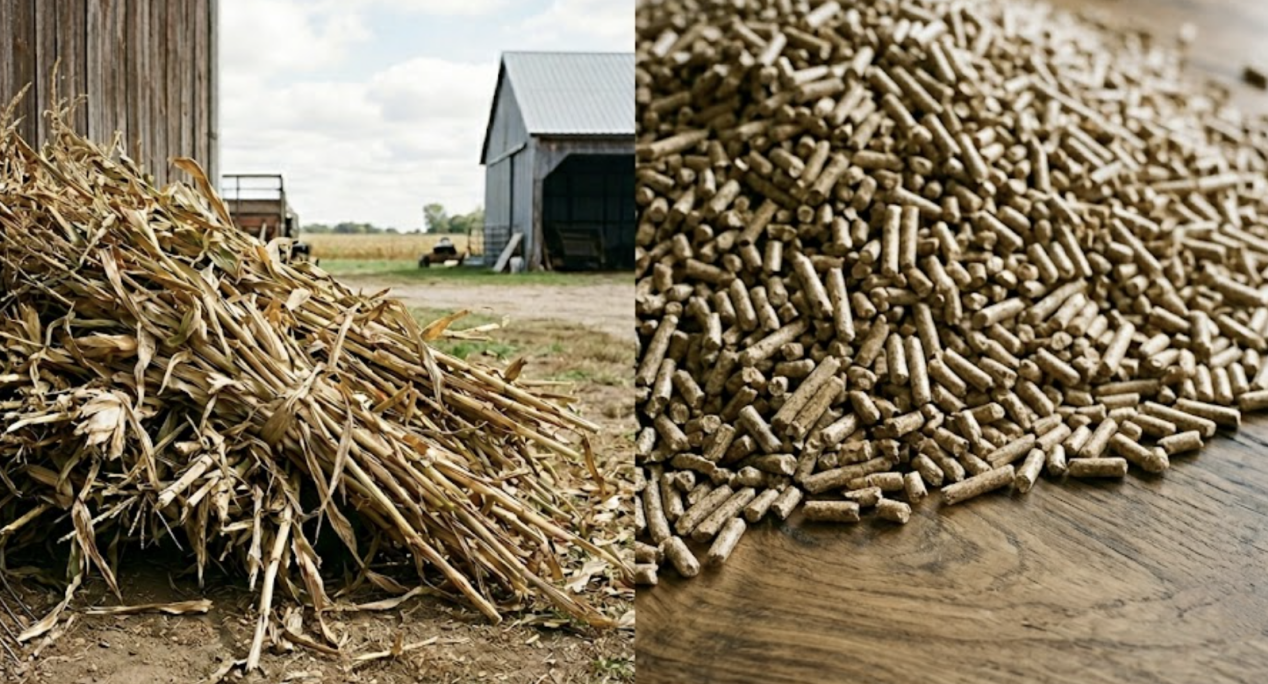
Agricultural residues differ significantly from woody biomass in terms of fiber elasticity and chemical binders. Most straws contain lower levels of natural lignin compared to hardwood, which means the material requires higher mechanical friction to achieve stable bonding. Furthermore, the high ash and silica content in certain crops can create internal resistance during the compression process. Without a deep understanding of these bio-chemical constraints, standard pelleting equipment often produces fragile pellets that crumble during storage. Identifying the specific friction requirements for each crop is therefore the first step in a successful conversion strategy.
BISON MACHINE approaches this challenge by analyzing the physical properties of "soft biomass" before finalizing any equipment configuration. For materials like wheat straw, corn straw, and rice straw, the manufacturing process must compensate for the lack of natural binders through intensified mechanical pressure. By engineering specialized feeding systems and compression chambers, the manufacturer ensures that the material achieves sufficient thermal activation for lignin bonding. This technical precision allows agricultural operators to produce pellets with high mechanical durability, ensuring the fuel remains intact during long-distance distribution.
One of the most persistent challenges in straw processing is the rapid erosion of mechanical components. Agricultural waste frequently contains high concentrations of silica, which acts as an abrasive agent during the high-pressure pelleting cycle. This abrasiveness leads to the premature wear of ring dies and rollers, causing a gradual decline in pellet quality and increasing the total cost of ownership. Therefore, a professional manufacturer must prioritize advanced metallurgy and customized die geometry to counteract these erosive forces.
BISON MACHINE (SHANDONG BISON MACHINE) utilizes high-grade alloy steels and specialized vacuum heat treatments to enhance the lifespan of its wear parts. These components must withstand the relentless friction of processing rice straw and corn straw without losing their structural integrity. Additionally, the manufacturer optimizes the hole depth and taper of the ring dies to match the specific moisture and fiber length of the feedstock. This level of customization prevents the common issues of die blockage and pellet cracking. By aligning the tooling specifications with the raw material’s abrasive profile, the system maintains a consistent output while lowering the frequency of expensive part replacements.
Scaling straw processing to an industrial level requires a production framework engineered around high-volume, low-density fibrous material. Corn straw in particular presents feeding challenges due to its long fiber length and irregular bulk density, and converting it at industrial scale demands a tightly synchronized production matrix. A representative project case from SHANDONG BISON MACHINE — a 9-12 TPH Corn Straw Biomass Pellet Line — illustrates how this scale of operation is engineered in practice. The line integrates multiple pellet machines, pre-crushing units, drying equipment, cooling systems, and automated bagging into a single coordinated workflow, allowing continuous operation throughout the harvest season.
At the core of this configuration sit multiple vertical XGJ Series Pellet Machines operating in parallel. The vertical design allows lightweight corn straw fibers to fall naturally into the pelleting chamber, preventing the "bridging" or clogging that often occurs in horizontal mills when processing long-fiber biomass. Reinforced gearboxes and heavy-duty bearings handle the continuous vibration of high-speed production, while the modular layout allows individual units to be serviced without halting the entire line. This systemic rigidity enables large-scale agricultural projects to maintain 24/7 operations during peak harvest periods, when raw material availability is at its highest and production windows are most critical.
Consistent energy density is the hallmark of a premium pellet product, yet agricultural waste often suffers from significant moisture fluctuations. Freshly harvested straw, particularly green wheat straw or moist corn straw, requires sophisticated pre-treatment to reach the ideal moisture window of 10% to 15%. If the moisture content is too high, the pellets will ferment; if it is too low, the material will not bind effectively. Managing this equilibrium requires an integrated sifting and drying strategy that prepares the biomass for the final compression stage.
Bison incorporates automated moisture control and standardized sifting into its One-Stop Solutions. These systems ensure that every batch of material enters the pellet mill with uniform physical properties. By removing dust and oversized contaminants early in the process, the production line avoids unnecessary strain on the core machinery. This holistic approach to pre-treatment results in pellets with a consistent caloric value, making them suitable for demanding industrial combustion applications. Effective moisture management is therefore a prerequisite for transforming raw seasonal waste into a reliable energy asset.
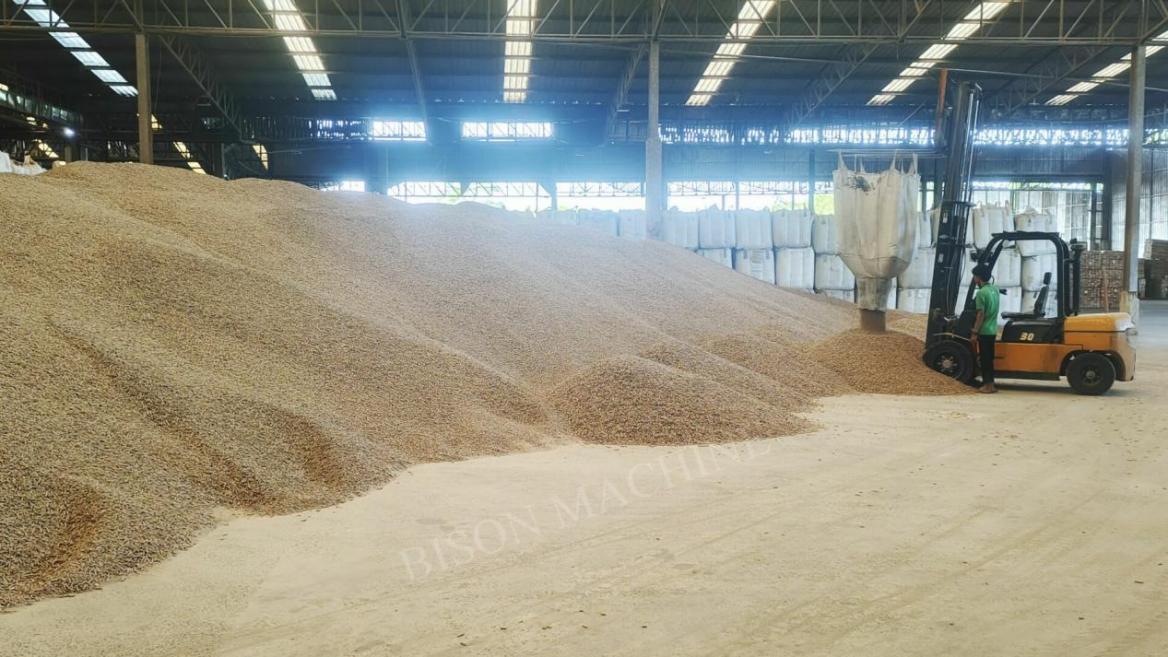
Transforming agricultural residues into high-quality bioenergy is a complex technical endeavor that requires specialized engineering. As global markets seek sustainable alternatives to fossil fuels, the value of crop waste continues to grow. Producers who invest in high-quality manufacturing technology can secure a leading position in this green energy transition. BISON remains a dedicated partner in this effort, providing the integrated solutions and technical expertise needed to master the challenges of agricultural biomass.
Ultimately, the synergy between fiber mechanics and mechanical engineering creates a sustainable path for rural resource management. By focusing on precision tooling, structural rigidity, and energy efficiency, agricultural stakeholders can build resilient production centers. The transition from seasonal waste to year-round profit is a journey that requires a reliable technical foundation. With the right industrial strategy, any agricultural operation can contribute to a cleaner energy future while maximizing the value of its harvest residues.
For more information on customized biomass solutions and industrial pellet technology, please feel free to contact us.


