
close
Choose Your Site
Global
Social Media
Views: 243 Author: Site Editor Publish Time: 2026-04-16 Origin: Site


The global push for a circular economy has positioned Refuse-Derived Fuel (RDF) as a critical pillar in waste-to-energy strategies. By transforming municipal and industrial waste into high-caloric fuel pellets, facilities can significantly reduce landfill reliance while providing a renewable energy source for cement kilns and power plants. However, the path from raw waste to a standardized fuel asset is fraught with technical complexities that often compromise production stability. Managing these challenges effectively requires the technical sovereignty and specialized engineering expertise of a Professional Pellet Machine Manufacturer. Without the guidance of such an expert partner, projects often struggle with inconsistent pellet density and excessive mechanical failure. BISON MACHINE (SHANDONG BISON MACHINE CO., LTD.) addresses these specific industrial pain points by delivering robust, high-pressure systems designed specifically for the unpredictable nature of solid waste.
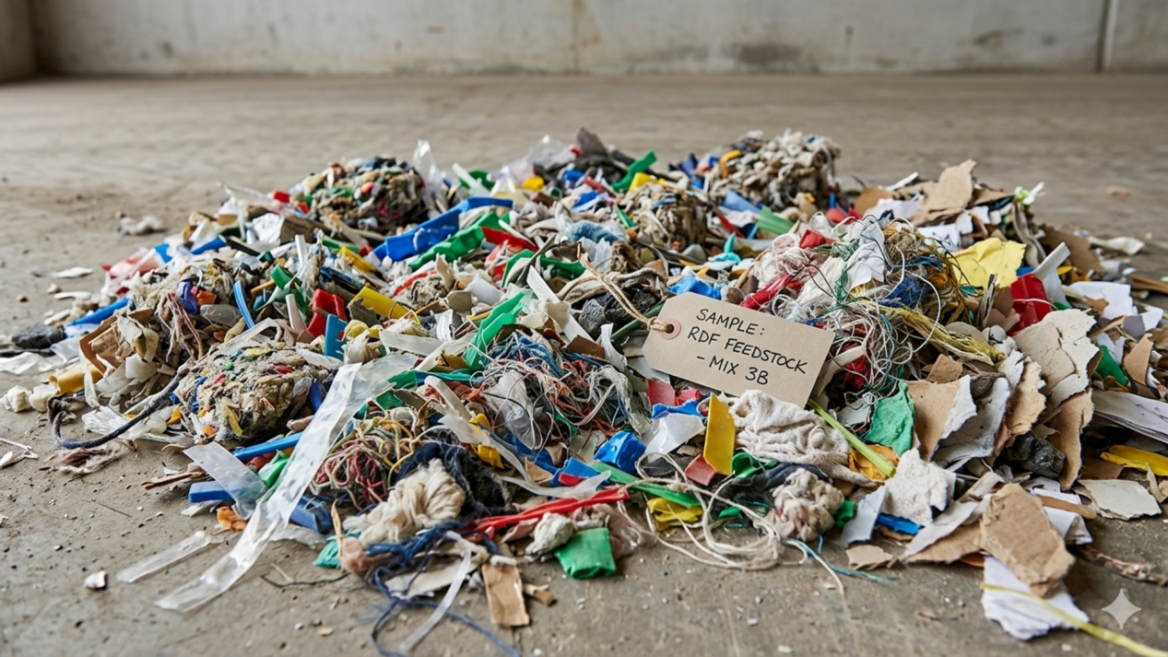
The primary challenge in RDF production lies in the extreme heterogeneity of the feedstock. Unlike wood or agricultural residues, raw waste consists of a volatile mix of plastics, textiles, paper, and moisture-heavy organic matter. Each of these materials possesses a different friction coefficient and elastic memory. Consequently, a standard pellet mill with a fixed, generic compression ratio cannot adapt to the rapid fluctuations in material density within the pelleting chamber. This often results in "spring-back," where pellets crumble shortly after discharge, leading to poor caloric concentration and difficult logistics.
A professional manufacturer mitigates this volatility through the application of advanced material science and customized compression logic. BISON MACHINE engineers its RDF-specific solutions by calculating precise compression ratios tailored to the customer’s unique waste profile. By adjusting the effective press length and hole geometry of the ring die, the equipment exerts sufficient mechanical force to overcome the natural elasticity of plastics and fibers. This precision ensures that the finished pellets achieve a consistent bulk density, which is essential for maintaining a stable burn rate in industrial furnaces. Therefore, technical customization is the only reliable way to transform non-uniform waste into a predictable energy commodity.
Processing solid waste is inherently destructive to machinery. RDF feedstock frequently contains hidden abrasive contaminants such as fine silica, glass fibers, and residual metallic fragments. In conventional pelleting systems, these impurities cause rapid erosion of the die surface and the roller shells. Excessive wear increases the gap between the die and the rollers, which leads to a total loss of compression and frequent production stoppages. For many operators, the cost of replacing wear parts (OPEX) can quickly eclipse the initial investment if the equipment lacks specialized armor.
To solve this, professional manufacturers utilize high-grade alloy steel and proprietary heat treatment processes to extend the lifespan of core components. BISON MACHINE (SHANDONG BISON MACHINE) focuses on vacuum quenching and deep carburizing techniques that achieve superior surface hardness while maintaining the internal toughness of the die. These specialized RDF-specific dies and rollers resist both the abrasive impact of contaminants and the chemical corrosion often found in municipal waste. By extending the intervals between maintenance cycles, the manufacturer ensures that the production line remains profitable. This engineering rigor prevents the operational "bleeding" that typically occurs when using equipment designed for softer, cleaner biomass.
Industrial end-users, such as cement plants, require RDF pellets to meet strict geometric and durability standards. Pellets that break down into "fines" or dust during transport create significant hazards, including dust explosions and uneven combustion profiles in the burner. Maintaining the physical uniformity of the pellet requires the machine frame to remain perfectly stable under immense pressure. Any deflection in the main shaft or the mounting base during operation causes inconsistent pellet length and density.
The XGJ Series Pellet Machine addresses this requirement through a heavy-duty vertical design and a reinforced structural frame. This configuration allows the machine to absorb the violent vibrations generated during the compression of high-density waste. SHANDONG BISON MACHINE ensures that the mechanical tolerances remain tight even during continuous 24/7 operation. By preventing vibrational drift, the system produces pellets with high mechanical durability and low fine content. This structural integrity is vital for meeting environmental emission standards, as standardized fuel shapes lead to more complete and cleaner combustion.
Many waste-to-energy projects fail during the scaling phase because the initial equipment configuration did not account for the specific moisture or binding properties of the local waste stream. A "one-size-fits-all" approach is particularly dangerous in the waste sector, where local consumption habits dictate the feedstock composition. A leading China Top Pellet Machine Supplier must therefore act as a technical auditor before a single machine is delivered.
SHANDONG BISON MACHINE CO., LTD. prioritizes material-specific auditing as part of its Service Scope. This process involves analyzing the moisture content, ash levels, and chemical additives within the waste samples provided by the client. By conducting these simulations, the manufacturer can predict the wear rate of consumables and the energy requirements per ton. This transparency allows investors to build accurate financial models and avoid the technical surprises that often plague cross-border energy projects. Technical sovereignty is not just about building a machine; it is about guaranteeing the operational success of the entire production ecosystem.
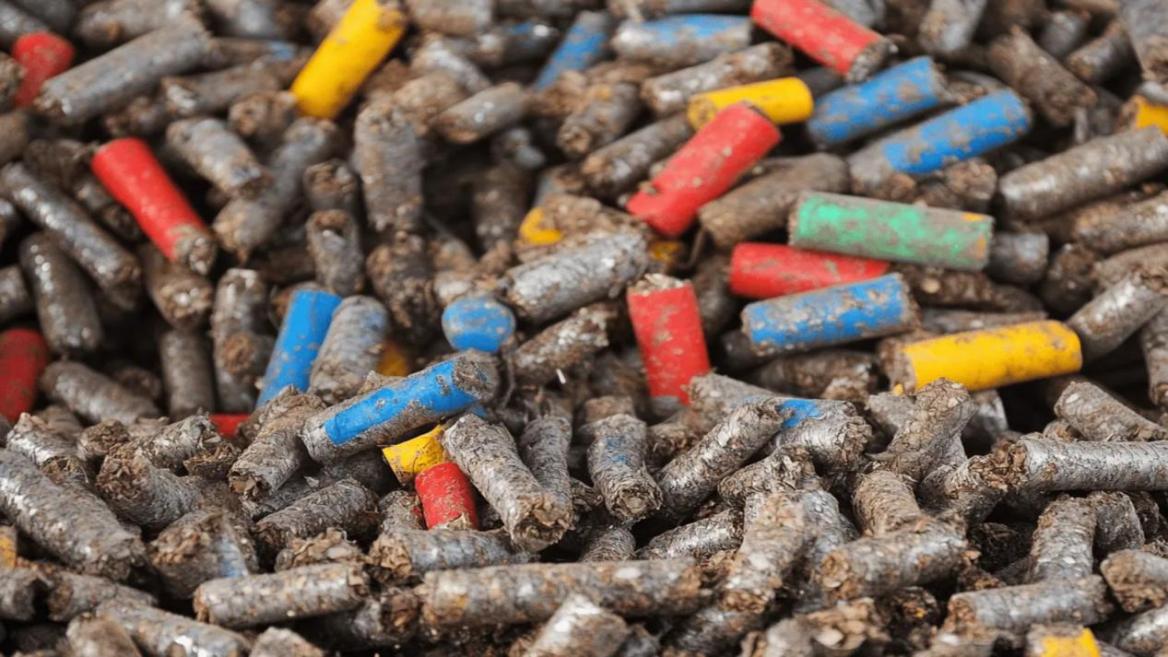
The transformation of solid waste into high-quality RDF is an exacting engineering challenge that requires more than generic mechanical force. Success in this sector depends on the ability to maintain quality consistency despite the inherent chaos of the raw material. Only a specialized partner with deep expertise in material science and structural engineering can provide the necessary stability for such operations. By integrating precision compression, abrasive-resistant materials, and rigorous material auditing, a professional manufacturer ensures that waste becomes a valuable resource rather than a liability.
BISON MACHINE (SHANDONG BISON MACHINE) remains a pivotal player in the global waste-to-energy transition. The combination of the XGJ series' robust performance and the company’s commitment to customized engineering allows stakeholders to stabilize their production cycles effectively. As the demand for standardized RDF continues to grow alongside stricter environmental mandates, the value of professional stewardship will only increase. Choosing a partner who understands the unique mechanics of solid waste is the most critical step toward long-term project viability and industrial excellence.
For more information on customized biomass solutions and industrial pellet technology, please feel free to contact us.


