
close
Choose Your Site
Global
Social Media
Views: 118 Author: Site Editor Publish Time: 2026-06-08 Origin: Site


The global demand for high-quality wood pellets has reached unprecedented levels as power generators in Europe and Asia transition away from coal. For biomass producers, this surge presents a lucrative opportunity to enter the international trade market. However, global buyers enforce stringent quality standards, such as ENplus and DINplus, which dictate moisture content, ash levels, and mechanical durability. Meeting these rigorous benchmarks requires a departure from artisanal production toward industrial-scale precision. Consequently, ambitious producers increasingly seek a partnership with a China Top Wood Pellet Production Line Supplier to bridge the gap between local resources and global requirements. BISON MACHINE (SHANDONG BISON MACHINE CO., LTD.) stands at the forefront of this industrial shift, offering the technical architecture necessary to transform raw wood waste into globally competitive energy assets.
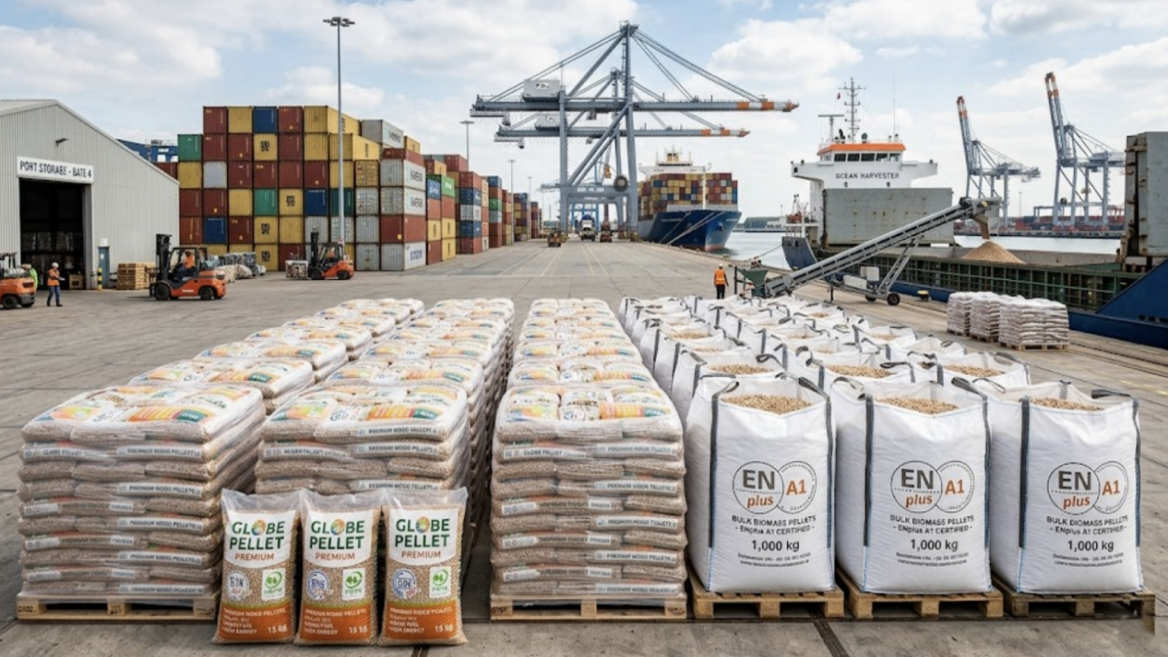
Quality serves as the primary currency in the international wood pellet trade. Global energy contracts often include heavy penalties or rejection clauses if a shipment fails to meet specified ash content or durability thresholds. High ash content increases maintenance costs for end-users by fouling boiler systems, while low durability leads to excessive dust during transoceanic shipping. Therefore, the production process must maintain absolute consistency across thousands of tons. Professional engineering ensures that every mechanical component contributes to these essential quality metrics.
BISON MACHINE focuses on this technical calibration by integrating high-precision control systems into its production lines. By optimizing the thermodynamic balance during the drying stage and the mechanical pressure during pelleting, the equipment ensures that the final product consistently meets premium grades. These standards are not merely bureaucratic hurdles but indicators of fuel efficiency and environmental performance. BISON MACHINE provides the mechanical stability needed to uphold these certifications, allowing producers to secure long-term off-take agreements with major international utility companies.
Scaling export capacity requires a production framework that can handle high volumes without compromising material integrity. In regions rich in Eucalyptus and Softwood, the fiber characteristics demand specific processing strategies. Eucalyptus is known for its high density and tough fibers, whereas softwoods contain resins that act as natural binders but require careful temperature management. Managing these variables at a scale of 9 to 12 tons per hour (TPH) necessitates a modular and synchronized approach to machine deployment.
The 9-12 TPH Biomass Pellet Line utilizes a multi-machine matrix to distribute the workload effectively. This configuration allows the facility to maintain continuous output even during routine maintenance of individual units. By deploying the XGJ Series Pellet Machine in parallel, operators can fine-tune compression ratios for different wood species. SHANDONG BISON MACHINE designs these systems to minimize internal friction, which reduces heat buildup and preserves the natural caloric value of the wood. This industrial-grade synergy ensures that large-scale export hubs can fulfill high-volume contracts with unwavering reliability.
The economics of the wood pellet export business depend heavily on maritime freight efficiency. Shipping costs are calculated based on volume and weight, meaning that bulk density is a critical financial variable. Pellets with low density take up more space in a vessel, effectively increasing the transport cost per ton. Furthermore, moisture equilibrium is essential for preventing biological degradation during long-distance transit. If pellets retain too much moisture, they may ferment or break down, rendering the entire cargo unsalable upon arrival.
Advanced pre-treatment of Wood Chips and Sawdust acts as the first line of defense against logistical losses. Drying systems must achieve a controlled moisture window of 10% to 15% before the material enters the pelleting chamber, with operators verifying moisture levels through periodic sampling and offline moisture meters during the drying cycle. BISON MACHINE (SHANDONG BISON MACHINE) configures its rotary drum dryers and high-capacity sifting systems to support consistent raw material conditioning across long production runs. This precision leads to higher pellet density and better "flowability" during bulk loading. Consequently, exporters can maximize their cargo capacity and reduce the overall carbon footprint of their logistical chain.
Structural Integrity: Minimizing Maintenance Drift in High-Output Export Hubs
Maintaining "quality drift" within acceptable limits is a significant challenge for facilities operating on 24/7 schedules. As mechanical components wear down, the physical dimensions and durability of the pellets can shift, potentially falling out of compliance with export standards. Structural rigidity is therefore the primary safeguard for a production hub. A mill that vibrates excessively or lacks thermal stability will produce inconsistent pellets that degrade the brand's reputation in the global market.
BISON MACHINE addresses this through the heavy-duty engineering of its XGJ Series vertical ring die pellet machines. Several distinct design choices contribute to long-term operational stability. The ring die itself is manufactured from specialized alloy steel with vacuum heat treatment, extending service life under continuous high-pressure operation. The pellet mill's structural frame uses reinforced casting to absorb the torque generated during wood compression, preventing the vibration that typically causes premature component wear. The transmission system relies on high-grade bearings and an integrated lubrication system that maintains gear alignment across extended production cycles. Each of these elements addresses a specific failure mode common in lower-tier machinery, and together they reduce the frequency of manual adjustments while preventing the gradual decline in pellet quality. Durable hardware ultimately translates into predictable revenue for exporters who cannot afford downtime.
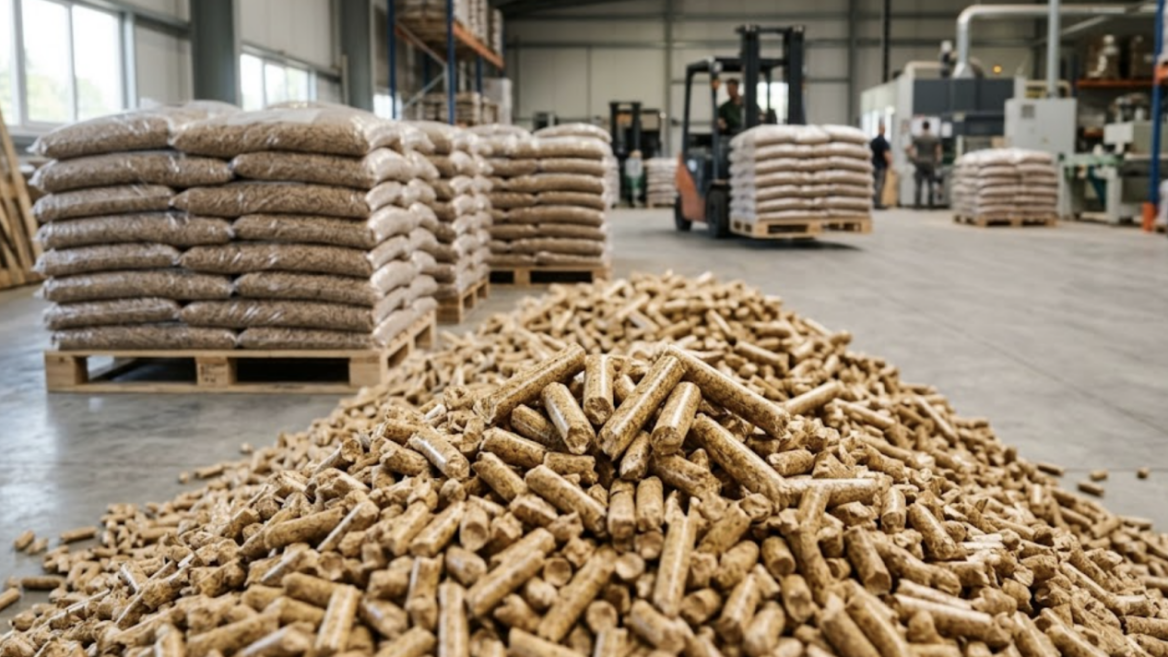
Entering the global bioenergy market involves more than just equipment; it requires a strategic partnership that covers the entire technical lifecycle. International trade often brings technical barriers that can confuse local producers. A One-Stop Solution provider acts as a bridge to these markets by offering site auditing, engineering design, and regulatory guidance. This comprehensive support allows producers to capitalize on immediate surges in global demand without the long lead times associated with fragmented procurement.
The Service Scope offered by SHANDONG BISON MACHINE includes post-installation optimization and personnel training. This ensures that the local workforce can operate the sophisticated 9-12 TPH production matrix with professional efficiency. By providing reliable wear-part logistics and remote technical assistance, the manufacturer mitigates the operational risks of large-scale projects. This level of commitment allows exporters to focus on market development and contract negotiation, knowing their production base is secure. Strategic technical support is the ultimate differentiator in a competitive global energy landscape.
Scaling wood pellet exports requires a holistic focus on technical maturity, volume reliability, and international compliance. As the world moves toward a net-zero future, the role of high-quality biomass fuel will only grow in importance. Producers who align themselves with the right technology partners position themselves as leaders in this green energy transition. BISON MACHINE (SHANDONG BISON MACHINE) continues to empower these leaders by delivering integrated solutions that meet the highest global standards.
Ultimately, the transformation of local timber resources into a globally traded energy commodity is a testament to engineering precision. By focusing on structural integrity and pre-treatment accuracy, exporters can build resilient businesses that thrive in the international arena. The synergy between high-performance hardware and comprehensive technical support provides the foundation for sustainable growth. With the right industrial strategy, any biomass producer can master the complexities of the global market and contribute to a cleaner energy future.
For more information on customized biomass solutions and industrial pellet technology, please feel free to contact us.


